New Patients Are Welcome!

When Should You See a Dentist in St. Helena? A Practical Breakdown

Have you ever wondered if that mild tooth sensitivity is worth scheduling an appointment? Or whether skipping one cleaning really makes a difference?
Many residents in St Helena, California, ask similar questions before deciding to visit a dentist. Life gets busy, symptoms seem minor, and it’s easy to delay care longer than planned. At St Helena Dental Studio, one of the most common concerns patients share is uncertainty, not about dental care itself, but about when it’s truly necessary.
This practical breakdown answers real-world questions people ask every day, helping you recognize when professional care makes sense and how early attention protects your long-term oral health.
How Often Should You See a Dentist if Nothing Hurts?
One of the most common misunderstandings is believing dental visits are only necessary when pain appears. In reality, many dental problems begin silently.
Most patients benefit from visiting a dentist every six months. These routine visits allow professionals to spot small issues before they turn into larger concerns. Cavities, gum inflammation, and enamel wear often develop without obvious symptoms.
In a community like St Helena, where residents value preventative care and long-term health, regular dental visits play an important role in maintaining overall wellness.
Skipping routine care may not cause immediate problems, but over time, minor issues can develop into conditions that require more extensive treatment.
What Symptoms Mean It’s Time to Schedule an Appointment Soon?
Not every dental issue causes severe pain right away. Some signs appear gradually, making them easy to ignore.
If you notice any of the following, it’s a good idea to contact a dental office sooner rather than later:
- Persistent tooth sensitivity to hot or cold
- Bleeding gums during brushing or flossing
- Ongoing bad breath that doesn’t improve
- Jaw discomfort or tightness
- Dark spots or visible damage on teeth
These symptoms often indicate underlying issues such as early decay or gum irritation. Addressing them early helps prevent complications and keeps treatment simple.
Waiting until discomfort becomes severe can increase both treatment time and cost.
When Is a Dental Issue Considered Urgent?
Some situations require prompt attention rather than waiting for the next routine visit. Urgent dental care helps prevent permanent damage and reduces pain quickly.
Certain situations should be treated as urgent, including:
- Suddenly, severe tooth pain
- Swelling in the gums or face
- Cracked or broken teeth
- Knocked-out teeth
- Signs of infection, such as fever with dental pain
In these cases, contacting a dental office immediately helps ensure faster treatment and better outcomes.
Prompt care often prevents complications that may require more complex procedures later.
What Happens During a Typical Dental Visit?
Many patients delay appointments simply because they’re unsure what to expect. Understanding the process can make visits feel more manageable.
A routine dental appointment usually begins with an examination. The dentist evaluates teeth, gums, and bite alignment, looking for early signs of wear or disease.
Professional cleaning follows the examination. This step removes plaque and tartar buildup that brushing alone cannot eliminate. Removing these deposits helps protect against cavities and gum disease.
If concerns are identified, the dentist explains findings clearly and discusses treatment options. Patients are encouraged to ask questions so they understand their care plan.
These visits are designed to be preventive rather than reactive, focusing on long-term oral health.
Why Do Minor Dental Problems Get Worse Over Time?
Many dental issues progress quietly. What begins as a small concern can become more serious if ignored.
For example, early tooth decay may only affect the outer layer of enamel. Without treatment, bacteria continue spreading deeper into the tooth structure. Eventually, pain develops, and more advanced treatment becomes necessary.
Gum inflammation follows a similar pattern. Mild irritation can progress into gum disease if plaque buildup remains untreated.
The longer a condition goes without attention, the more complicated it often becomes. That’s why early detection is one of the most valuable benefits of routine dental visits.
How Preventive Care Supports Long-Term Oral Health
Preventive care is one of the most effective ways to reduce the need for complex dental procedures.
Regular visits help detect issues such as enamel wear, small cavities, or gum irritation before symptoms appear. Treating these problems early protects surrounding teeth and prevents spreading damage.
Patients who maintain consistent preventive care often experience:
- Fewer emergency dental visits
- Reduced risk of gum disease
- Improved overall oral hygiene
- Stronger enamel protection
- Better long-term tooth retention
Preventive care also helps patients feel more confident about their smiles and oral health.
What Daily Habits Help Reduce the Need for Frequent Visits?
While professional care is essential, daily routines at home play a major role in maintaining oral health.
Simple habits make a meaningful difference:
- Brushing teeth twice daily using fluoride toothpaste
- Flossing once each day to remove trapped debris
- Limiting sugary snacks and beverages
- Drinking water throughout the day
- Replacing toothbrushes every few months
These small steps strengthen enamel and reduce the risk of cavities and gum irritation.
Consistency matters more than perfection. Over time, these habits build strong protection against common dental problems.
Can Stress and Lifestyle Affect Dental Health?
Many people don’t realize that stress can impact oral health. Clenching or grinding teeth during stressful periods often leads to jaw discomfort and enamel wear.
Lifestyle habits also influence dental health. Frequent snacking, acidic drinks, and poor sleep patterns can weaken teeth over time.
Residents in St Helena, California, who maintain active lifestyles or demanding schedules may experience these effects without realizing their connection to dental concerns.
Recognizing how lifestyle affects oral health allows patients to make informed decisions about their daily habits.
How Comfortable Are Modern Dental Visits?
Advances in dental technology have made visits more comfortable than ever before.
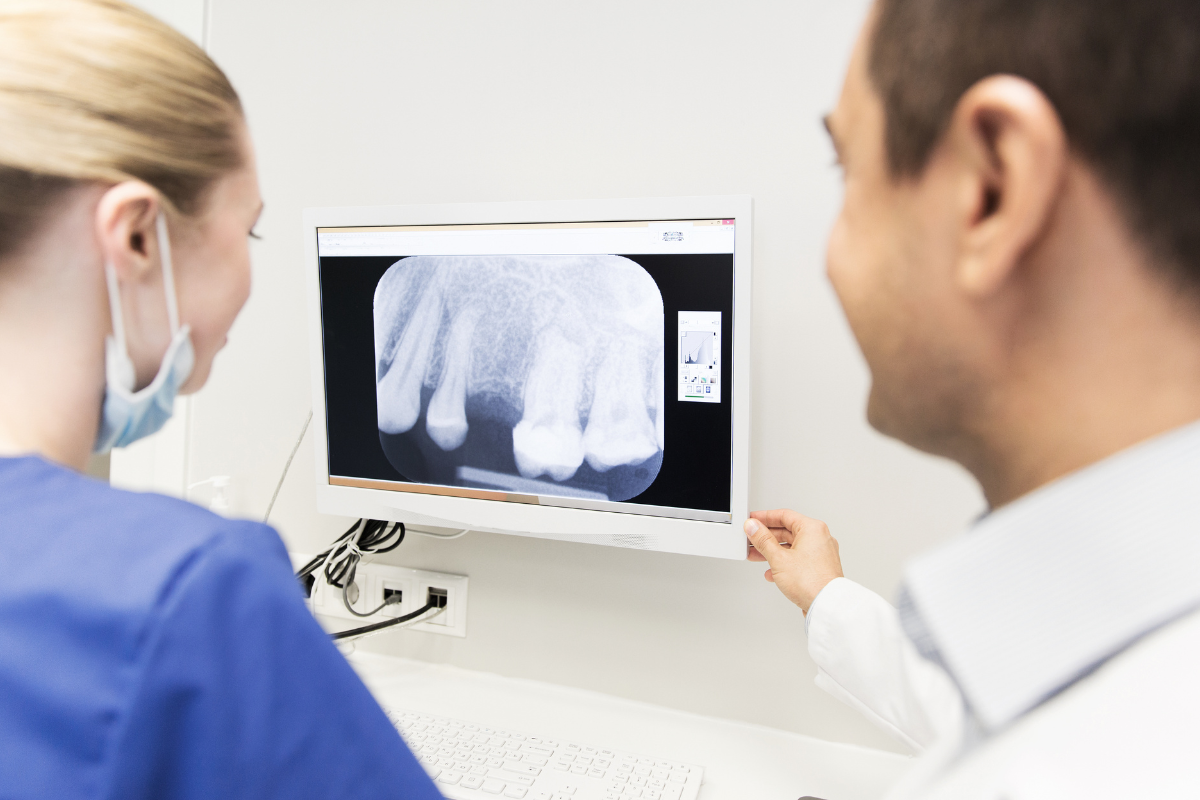
Modern equipment allows dentists to work more efficiently while reducing discomfort. Digital imaging tools provide clear views of teeth and gums without lengthy procedures.
Many patients report feeling more relaxed during visits thanks to improved techniques and supportive environments.
Open communication between patients and dental teams also improves comfort. Asking questions and sharing concerns helps create a more positive experience.
These improvements encourage patients to maintain consistent care without fear or hesitation.
FAQ: Practical Questions About Seeing a Dentist
Do I need to visit a dentist if my teeth feel fine?
Yes. Many dental problems develop without symptoms. Routine visits help detect issues early.
What if my gums bleed occasionally when brushing?
Occasional bleeding may signal gum irritation. Persistent bleeding should be evaluated promptly.
How long can I safely delay a dental visit?
Delaying routine care increases the risk of undetected problems. Most patients benefit from visits every six months.
Is tooth sensitivity always a serious problem?
Not always, but ongoing sensitivity often indicates enamel wear or decay that requires attention.
Can skipping cleanings lead to bigger problems?
Yes. Skipping cleanings allows plaque buildup, which increases the risk of cavities and gum disease.
A Practical Reminder for Residents in St Helena
Knowing when to see a dentist isn’t always about reacting to pain; it’s about recognizing patterns and staying ahead of potential problems. Small symptoms, missed cleanings, or subtle changes in oral health often provide early warnings that shouldn’t be ignored.
For residents in St Helena, California, maintaining consistent dental care helps protect long-term oral health and reduce the likelihood of unexpected complications. At St Helena Dental Studio, patients receive guidance designed to support preventive care and timely treatment. If it’s been longer than you expected since your last visit, or if something feels slightly off, consider scheduling an appointment. Taking that simple step today can prevent larger problems tomorrow and keep your smile healthy for years to come. Book an appointment today!